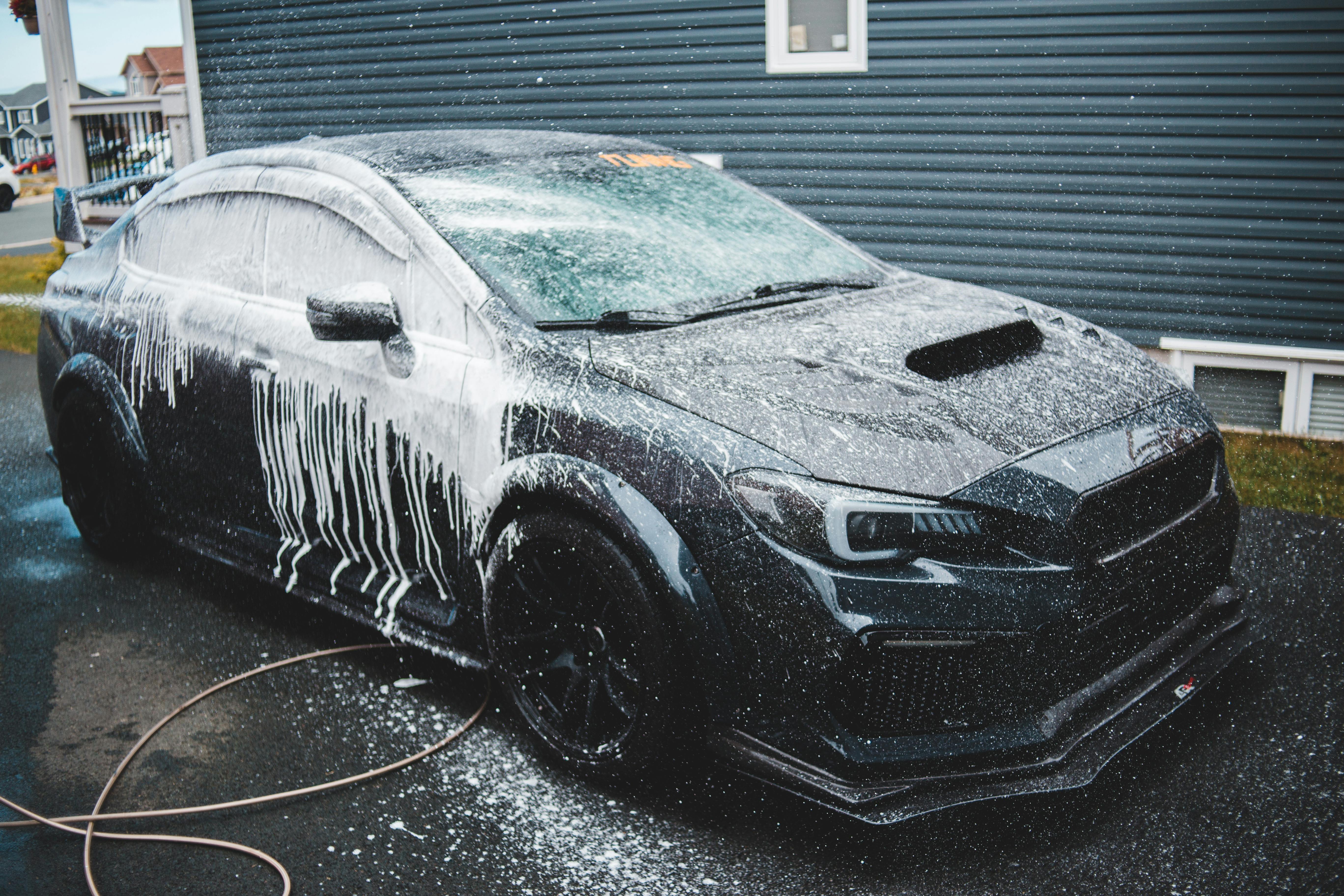
Paint correction is a meticulous process that aims to restore a car’s paintwork to a near original condition. But what exactly is it, and when does a car need it?
At its core, paint correction involves refining or removing the clear coat layer of paint to rectify cosmetic imperfections. These imperfections can range from noticeable scratches to subtle blemishes that become apparent under specific lighting conditions.

The Layers of Paint
To grasp the essence of paint correction, it’s essential to understand the layers of a car’s paint job. The primer layer acts as the foundation on the metal/ body panel, ensuring adhesion for the color base coat. Over this sits the clear coat, which provides a protective shield for the underlying layers. Any correction work, will tackle removing or hiding clear coat scratches.
Why Paint Correction Matters
Correction becomes necessary when the clear coat is marred by various factors. Watermarks, swirl marks from improper washing techniques, scratches, environmental damage like bird droppings or tree sap, and oxidation due to sun exposure are common reasons cars require paint correction.

The Process of Paint Correction
As a certified professional detailer, I can employ specialized tools and techniques during the correction process. Using a machine polisher and specific compounds, I can carefully smooth out or remove imperfections from the clear coat without compromising its integrity. Please note, for very deep scratches, it’s important to prioritize preserving the clear coat for longer clear coat durability, rather than trying to remove everything around one imperfection. The following pictures are a perfect example of that. These very close up pictures on a black vehicle show that although some scratches can not be removed completely, they can be hidden and less noticeable.


Levels of Paint Correction
There are three (general) stages of correction, each addressing different levels of damage. Please note that the definition and approach to the “3 stages of correction” may vary among different detailers and automotive professionals.
- Stage 1 Correction: Suitable for minor cosmetic flaws, this stage refines the paint surface, correcting up to 70% of imperfections.
- Stage 2 Correction: Ideal for moderate damage such as swirl marks and light scratches, this stage can rectify up to 90% of imperfections.
- Stage 3 Correction: Reserved for severe damage like deep scratches or heavy swirl marks, this stage involves wet sanding and meticulous correction techniques.